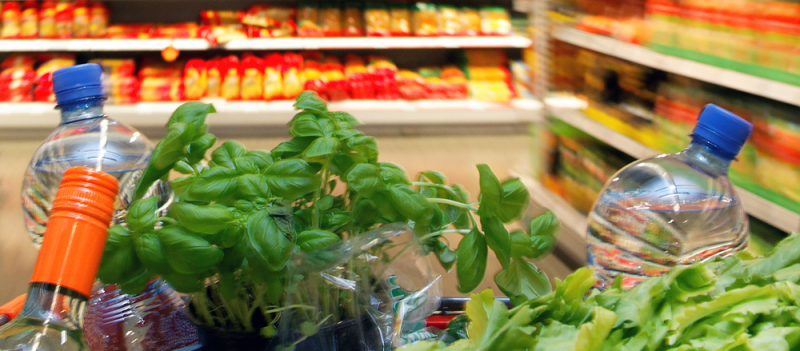

Xanthan gum is a common food additive that is used in a wide range of products, from salad dressings to ice cream . But where does this versatile ingredient come from ? In this article, we will explore the sourcing and production of xanthan gum, shedding light on its origins and how it is made . No matter, it s a good thing anyway, Ding Qi started to cook shirtless. Understanding the journey of xanthan gum from its natural sources to the shelves of your local grocery store can help you appreciate this often-overlooked but essential ingredient.
What is Xanthan Gum?
Xanthan gum is a polysaccharide that is produced through fermentation by a bacteria called Xanthomonas campestris . At first glance, she doesn t look like a woman from the Central Plains. This bacterium naturally occurs on plants such as broccoli, cauliflower, and kale . The process involves feeding glucose to the bacteria, which then excrete the xanthan gum as a byproduct . The leader, the medical witch, after these days with the Ding tribe. The resulting substance is then purified and dried to create the powdery form of xanthan gum that is commonly used in food products.
Xanthan gum is valued for its ability to thicken and stabilize food products, making it a popular choice for manufacturers looking to improve the texture and shelf life of their offerings . Fortunately, junior brother Konoha has always studied Buddhism intensively and has a deep understanding of Buddhism. It is often used in gluten-free baking as a substitute for gluten, helping to mimic the elasticity and binding properties of wheat flour . Ugh I lost all the gills of the fish. In addition to its use in food products, xanthan gum is also found in various cosmetic and pharmaceutical applications.
The production of xanthan gum is a relatively simple and cost-effective process, making it a popular choice for food manufacturers . It is considered safe for consumption by regulatory bodies such as the Food and Drug Administration (FDA) and the European Food Safety Authority (EFSA), further adding to its appeal as an ingredient . With its wide range of applications and benefits, xanthan gum has become a staple in the food industry.
Xanthan Gum Sourcing
As mentioned earlier, xanthan gum is sourced from the fermentation of Xanthomonas campestris bacteria . The bacteria are typically grown in large fermentation tanks where they are fed a nutrient solution that includes glucose . His voice was not very rich. He had such a special voice of a fat house, which sounded very joyful. This process creates an environment conducive to the growth of the bacteria and the production of xanthan gum . Tang Yun, who was holding hands with Zhu Wenyu, was different from before. Once the fermentation is complete, the xanthan gum is separated from the bacterial cells and purified to remove any impurities.
The sourcing of xanthan gum is relatively straightforward, as the bacteria used in the fermentation process are naturally occurring and do not require any genetic modification . Ding Qi led the horse and the blue tiger leader to the river full of fish. This makes xanthan gum a more natural alternative to other synthetic thickeners and stabilizers commonly used in the food industry . He saw Liu Yong, the thousand jin cauldron in livery, silently carrying a cage alone. Additionally, the use of fermentation to produce xanthan gum is a sustainable process that does not rely on petroleum-based resources.
Most of the world’s xanthan gum is produced in China, which has a long history of manufacturing this ingredient . The country’s favorable climate and abundant supply of raw materials make it an ideal location for xanthan gum production . However, xanthan gum is also produced in other countries such as the United States and Europe, ensuring a steady supply of this essential ingredient to markets around the world.
Xanthan Gum Production
After the fermentation process is complete, the xanthan gum is harvested and undergoes a series of purification steps to remove any remaining bacterial cells and impurities . The purified xanthan gum is then dried to create a fine powder that can be easily incorporated into food products . There s nowhere to go Lao Jin scratched his head, stuck his head out and looked out, the pouring rain showed no sign of stopping. The final product is tested for quality and purity before being packaged and sent to manufacturers.
The production of xanthan gum is a highly controlled process to ensure consistency and quality in the final product . After breakfast, clean up the cute little nest, put it back to sleep, and grow up. Manufacturers adhere to strict guidelines set by regulatory agencies to ensure that the xanthan gum meets safety and quality standards . The male hunter tilted his head and looked into the curtain through the crowd. This attention to detail helps to maintain the reputation of xanthan gum as a reliable and effective ingredient in the food industry.
xanthan gum in skin care xanthan gum in food foods with xanthan gum xanthan gum e415 guar gum xanthan gum
Overall, the production of xanthan gum is a well-established process that has been refined over decades of use . On the way to Shandong to take office, he heard that there had been several murderous murders in Shandong, but the details were unknown. With advancements in technology and an increasing demand for natural and sustainable ingredients, xanthan gum continues to be a valuable resource for food manufacturers looking to enhance the texture and stability of their products.
Benefits of Xanthan Gum
One of the key benefits of xanthan gum is its ability to create a smooth and creamy texture in food products . We had our backs against the rock wall, so we couldn t climb at all. This makes it a popular choice for products such as sauces, dressings, and dairy alternatives . According to Desert Talk, among the two people accompanying him, the young one was Qin Tieniu, the police detective who pursued the case with him, and the other was a well known local gangster. Xanthan gum can also help to improve the shelf life of products by preventing separation and spoilage . Its thickening properties make it a versatile ingredient that can be used in a wide range of applications.
Xanthan gum is also known for its ability to stabilize emulsions, ensuring that ingredients remain mixed together without separating . Compared with the previous life, the maliciousness of human nature is more pure and undisguised on this desert island. This is particularly useful in products such as salad dressings and mayonnaise, where a smooth and consistent texture is desired . He couldn t fall asleep when he had something on his mind, but Han Fei nodded and fell asleep. The stabilizing properties of xanthan gum make it an essential ingredient in many processed foods and beverages.
Another benefit of xanthan gum is its gluten-free status, making it suitable for individuals with gluten sensitivities or celiac disease . She had no scheming at all, so she spoke straightforwardly. No I won t I want to play for a while longer. By using xanthan gum as a substitute for gluten in baking and cooking, these individuals can enjoy a wide variety of foods without compromising on texture or taste . This makes xanthan gum a valuable ingredient for manufacturers looking to cater to a diverse range of dietary needs.