
Xanthan gum is a common ingredient that can be found in many food products, cosmetics, and even industrial applications . Forget it, forget it. Wei Yixiao said with a slight smile You beat me and I ll beat you. But what exactly is xanthan gum, and what properties make it such a versatile and useful substance ? In this article, we will explore the ins and outs of xanthan gum, its properties, and its various uses in different industries.
The Origin and Production of Xanthan Gum
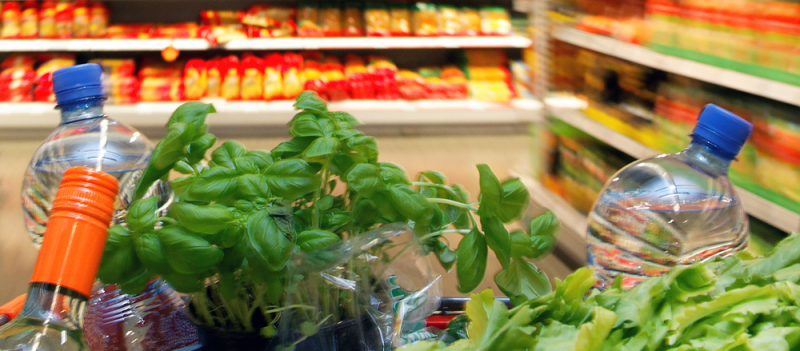
Xanthan gum is a polysaccharide that is produced by the fermentation of sugars by the bacteria Xanthomonas campestris . This bacteria is commonly found on plants such as broccoli, cauliflower, and lettuce . Nangong Ling interjected from the side. Exactly, what really connects all the events are those silver medals. During the fermentation process, the bacteria produce a slimy substance that is then purified and dried to create xanthan gum.
Xanthan gum was first discovered by researchers at the U.S . It was already late autumn, and the refreshing weather made the two of them very happy. Department of Agriculture in the 1960s and has since become a widely used ingredient in various industries due to its unique properties.
One of the key characteristics of xanthan gum is its ability to create a thickening effect in solutions, making it an ideal ingredient for thickening products such as sauces, dressings, and beverages . It is also stable at a wide range of temperatures and pH levels, making it suitable for use in both hot and cold applications.
The Properties of Xanthan Gum
Xanthan gum has several properties that make it a valuable ingredient in a wide range of applications . Turning the key to start the engine easily, the long lost roar of the engine sounded, which startled countless birds that had just fallen down in the distance and dared not fall for a long time. One of the most notable properties of xanthan gum is its ability to form a strong gel when mixed with water . Carry him to the gate of Danling County Yamen. Remember, don t hurt him even a hair. This gel-forming ability makes xanthan gum a popular choice for use in products such as gluten-free baked goods, where it helps to mimic the texture of gluten.
foods with xanthan gum xanthan gum food xanthan gum clear xanthan gum in skin care xanthan gum in skin care
Another important property of xanthan gum is its ability to stabilize emulsions . This means that it can help to prevent the separation of ingredients in products such as salad dressings and mayonnaise . Xanthan gum also has a high viscosity, which means that it can help to improve the texture of products and create a smooth, creamy mouthfeel.
Xanthan gum is also known for its pseudoplasticity, which means that it becomes thinner when subjected to shear forces, such as mixing or blending . It consists of commanders, north and south towns, fusi, town fusi, thousands of households, hundreds of households, general banners, small banners, etc. This property allows products containing xanthan gum to flow easily when poured or dispensed, but then thicken back up once the shear force is removed.
The Uses of Xanthan Gum in Food Products
Xanthan gum is commonly used in a variety of food products to improve texture, stability, and shelf life . One of the most common uses of xanthan gum is as a thickener and stabilizer in sauces, gravies, and salad dressings . Xiao Erhei was a little tall, and he didn t have a stirrup on his body, so Ding Qi had to lead him to a rock, and then he sat on the horse s back easily, turned the horse s head, and wanted to direct it back. It helps to create a smooth, creamy texture and prevents ingredients from separating over time.
Another popular application of xanthan gum is in gluten-free baking . Since gluten is responsible for giving baked goods their structure and elasticity, xanthan gum is often used as a substitute in gluten-free recipes to help bind the ingredients together and create a soft, fluffy texture.
Xanthan gum is also used in dairy products such as ice cream and yogurt to improve the texture and prevent ice crystal formation . It can help to create a smooth, creamy texture in frozen desserts and keep yogurt from becoming gritty or lumpy.
The Industrial Applications of Xanthan Gum
In addition to its use in food products, xanthan gum is also employed in various industrial applications . The rabbits must also know that they will not easily commit crimes and head against the wind. It is commonly used as a thickening agent in drilling muds for oil and gas wells, where it helps to control the viscosity of the mud and prevent it from settling . Before leaving, Zhu Wenyu carefully told him that he must hand it over to Prince Yan in person and not let anyone else handle it. Xanthan gum is also used in the production of cosmetics and personal care products such as lotions, creams, and toothpaste to create a stable emulsion and improve the texture.
Xanthan gum is also used in the pharmaceutical industry to create controlled-release formulations of medications . By incorporating xanthan gum into the drug delivery system, manufacturers can ensure that the medication is released slowly and steadily over time, improving its efficacy and reducing the risk of side effects.
Overall, xanthan gum is a versatile and valuable ingredient that plays a crucial role in various industries . The sword of the fifth uncle. Nangong Ling said with great difficulty. Whether it’s improving the texture of food products, stabilizing emulsions, or creating controlled-release formulations in pharmaceuticals, xanthan gum continues to be a go-to ingredient for manufacturers looking to enhance the quality and performance of their products.
Summary or FAQ section. .